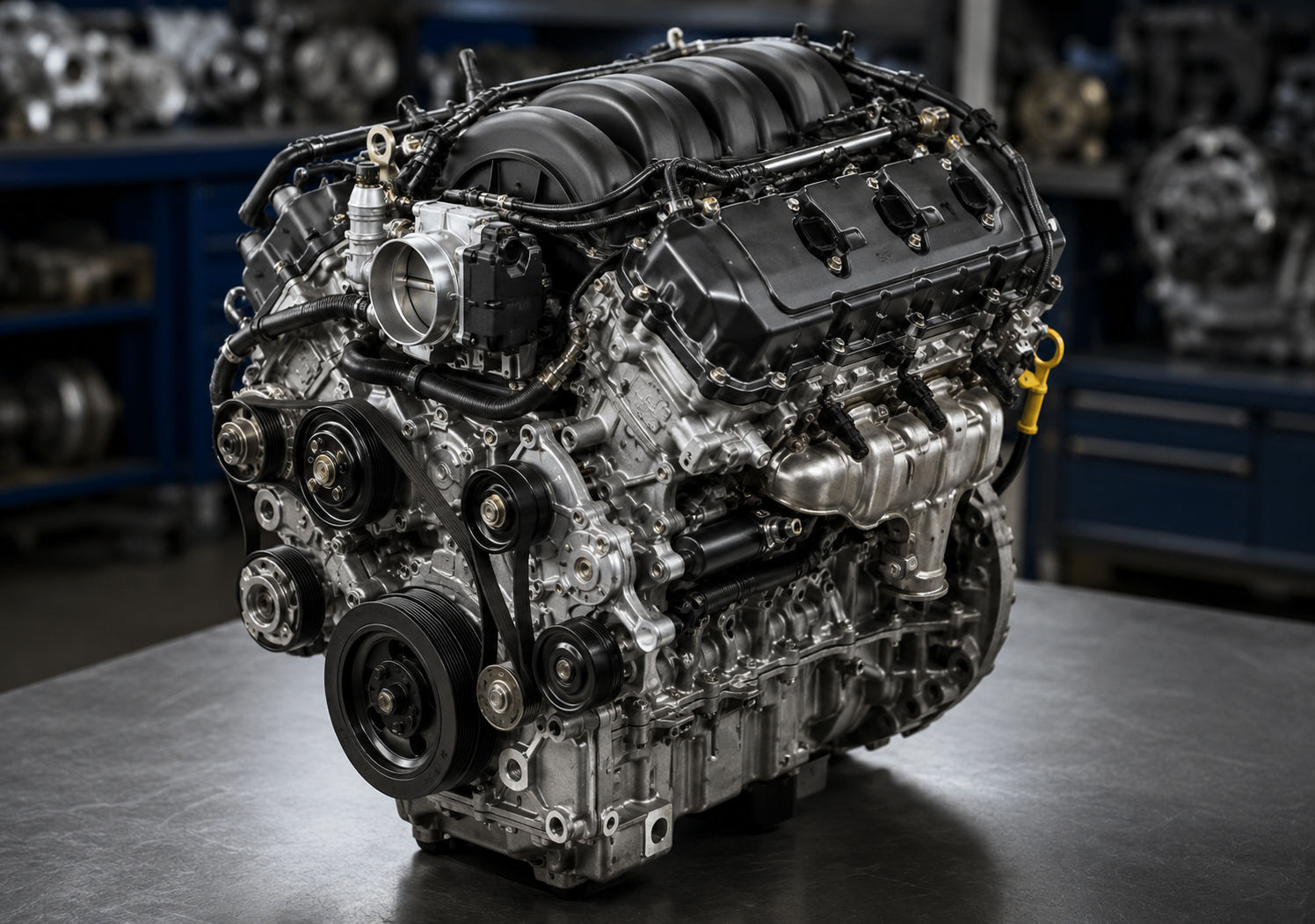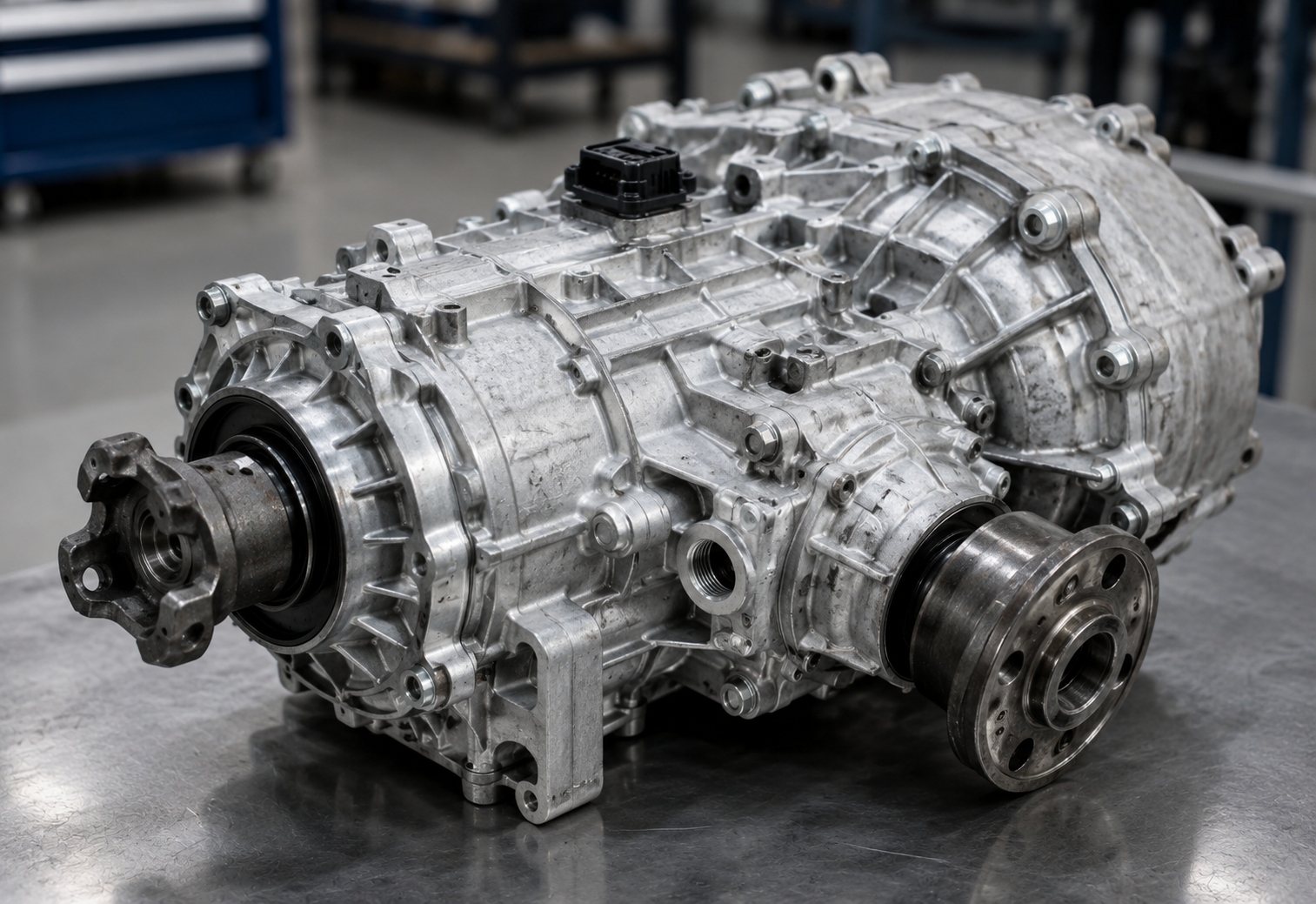
Kia shares a lot of engineering with Hyundai under the same parent company, and that shows up in the used market as strong availability on Theta and Smartstream engines, along with the automatic transaxles behind them. Every unit we list is cleaned, inspected, and function-tested before it goes on the shelf, with donor mileage on record.
Give us the year, model, and VIN and our USA-based team confirms the exact engine and transmission code before anything ships. Kia has run the same nameplate — Optima, now K5 — across multiple generations with different engine families, and Sorento switched from a body-on-frame to a unibody platform partway through its history, so model name alone isn't enough to order against.
Shared Hyundai engineering, a mid-cycle name change, and a few recalls worth knowing about. Need help? Call 1-800-606-1107.
Often, yes — Kia and Hyundai are both part of Hyundai Motor Group and share engine families like Theta and Smartstream. We verify the exact engine code rather than assuming cross-fit, since calibration and mounts can still differ by application.
No, it's the same model under a new name. Kia renamed the Optima to K5 starting with the 2021 redesign, which also changed the platform underneath. We match by generation and VIN, not the badge.
Some Theta II engines built across Kia and Hyundai were subject to recalls and extended warranties for bearing wear. Check whether yours qualifies for a free replacement before buying — if it doesn't, a tested used unit with documented mileage is the affordable route.
Yes — earlier Sorentos used a body-on-frame, truck-based platform, then Kia moved it to a unibody crossover architecture. The two don't share a drivetrain. Send us the year and VIN and we'll confirm which platform yours is.
Yes, on a limited basis — the Stinger's twin-turbo V6 and rear-wheel-drive platform are unique in Kia's lineup, so availability depends on what's currently come through our yards. Call for current stock.
We still source for them. Once a model leaves production, dealer supply dries up fast, and salvage becomes the practical option — call rather than assuming a part is gone.